Taking control of your financial future isn’t about getting rich overnight—it’s about building smart habits, making informed decisions, and staying consistent over time. Whether you’re starting from scratch or trying to fix past mistakes, the right strategy can put you on a stable path toward long-term financial success.
Why Financial Control Matters
When you manage your finances effectively, you gain:
- Freedom from financial stress
- Better decision-making power
- Security for emergencies
- The ability to achieve long-term goals
Step-by-Step Guide to Financial Control
1. Understand Your Current Financial Situation
Start by analyzing:
- Your income sources
- Monthly expenses
- Debts and liabilities
- Savings and assets
This gives you a clear picture of where you stand.
2. Create a Realistic Budget
A budget helps you control spending and save more.
Popular Method: 50/30/20 Rule
- 50% → Needs (rent, bills, groceries)
- 30% → Wants (entertainment, dining)
- 20% → Savings & investments
3. Build an Emergency Fund
Unexpected expenses can derail your finances. Aim to save:
- At least 3–6 months of living expenses
Start small and grow gradually.


4. Eliminate High-Interest Debt
Debt can slow your progress.
Strategies:
- Snowball Method: Pay smallest debts first
- Avalanche Method: Pay highest interest debts first
5. Start Saving and Investing Early
The earlier you start, the more you benefit from compounding.
Options include:
- Savings accounts
- Mutual funds
- Stocks
- Retirement plans
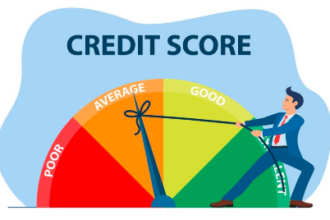
6. Improve Your Credit Score
A good credit score helps you access better financial opportunities like lower interest rates and higher loan approvals.
7. Set Clear Financial Goals
Define both short-term and long-term goals:
| Goal Type | Examples |
|---|---|
| Short-term | Saving for a gadget or trip |
| Medium-term | Buying a car |
| Long-term | Retirement or home ownership |
8. Track and Adjust Regularly
Your financial situation changes over time. Review your budget and goals monthly to stay on track.
Smart Financial Habits to Build
- Spend less than you earn
- Avoid impulse purchases
- Save consistently
- Invest wisely
- Keep learning about money
Common Mistakes to Avoid
- Living paycheck to paycheck
- Ignoring savings
- Relying heavily on credit cards
- Not having a financial plan
- Delaying investments
FAQs
1. What is the first step to financial control?
Understanding your income, expenses, and debts is the first step.
2. How much should I save each month?
Aim for at least 20% of your income, if possible.
3. Is investing necessary for financial success?
Yes, investing helps grow your wealth faster than saving alone.
4. How do I stay consistent with financial goals?
Track progress regularly and adjust your plan as needed.
5. Can I take control of my finances with a low income?
Yes, even small savings and disciplined spending can make a big difference.
Conclusion
Taking control of your financial future is a journey that requires discipline, patience, and smart planning. By budgeting effectively, reducing debt, saving consistently, and investing wisely, you can build a secure and independent financial life. The key is to start today—because every small step counts toward a stronger financial future.